
Deciding for people who did not choose you
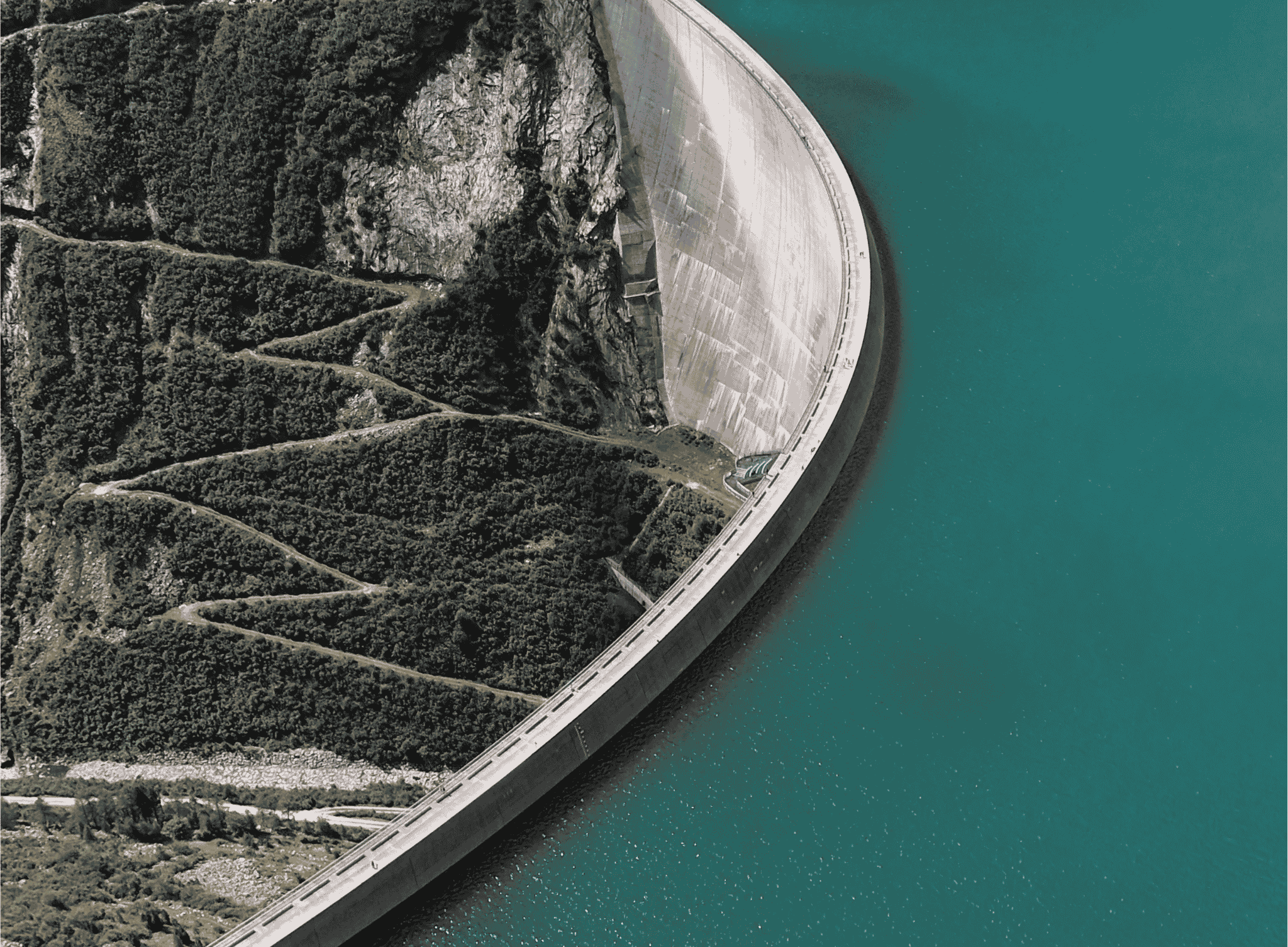
They were never in the room. Whether they were in the judgement was up to you.
Deciding for people who did not choose you
The decision is made. Tomorrow you announce it. And tonight, alone at home, you are thinking about the people you do not know, who may never have heard your name, and who will live with the consequences.
The executive team is aligned. The board signed off this afternoon. The announcement is drafted, the sequencing agreed, and everyone who chose to work with you has had their say. The decision is sound, you still believe that, and it will land hardest on people who were never in any room: the employees in territories far from head office, who will, despite your best efforts, still feel decided about rather than decided with; the town that grew up around the site; the suppliers who built their businesses on it; the communities and families whose futures bend around what you have decided; the river valley that will live with what the work leaves behind. They did not appoint you. Most could not pick you out of a photograph. And tomorrow their circumstances change because of a judgement they never saw being made, by a person they never chose to trust with it.
That is the weight you are feeling tonight, and it deserves calling out, because it is not doubt about the decision. It is the particular weight of deciding for people who did not choose you, and it is the subject of this article, and it is a heavy one.
The circle that chose you
Consider who actually consented to your judgement.
The board chose you; they interviewed, deliberated, appointed. The executive team largely chose to work with you, and can leave. The employees joined the organisation, though most arrived before you did and none of them elected you. And beyond them, out where tomorrow's announcement lands hardest, is everyone who never chose anything at all: the community, the suppliers, the families, the place itself.
Notice the shape of that. Consent thins as you move outward from the room, and consequence often thickens in exactly the same direction. The people with the most say in your authority frequently bear the briefest of its impacts, and the people who bear the most had no say whatsoever. Nobody designed this. It is simply the geometry of senior responsibility, and many leaders live inside it for years without looking at it directly or intently enough.
The conditions leaders now operate in have stretched this geometry further than it has ever reached. Even elected leaders decide daily for the millions who voted otherwise, and some arrive in the highest offices chosen by a party rather than a public, legitimate, and unchosen by almost everyone they decide for. Decisions taken in one capital now close trade routes and raise prices in households half a world away, among people who had no vote in any room anywhere. Consequence has learned to travel much further than consent, and every senior leader, corporate or public, now lands consequences far beyond the circle that chose them.
This is the lens this article carries: responsibility without consent, the weight of deciding for people who never agreed to be led by you. And it holds a double uncertainty worth seeing clearly. You cannot fully know how your decision will land on lives you will never see. And they cannot inspect the judgement their futures now depend on. Both sides are blind toward each other, and only one side is deciding.
Your authority gave you the right to decide for them. It did not give you their permission. And it cannot give you their support.
The leader who lives beyond the circle
There is a kind of leader for whom this is not the occasional heavy night but the entire role.
Those who carry public service, defence, or national infrastructure decide, as their permanent condition, on behalf of citizens who never chose them and mostly never will: the security investment that protects people who will never know it happened, the infrastructure route that remakes some towns and bypasses others, the emergency judgement made at speed for a public that will only ever experience its consequences. Their authority is real and lawfully held, and almost none of the people it falls on consented to them personally holding it. The best of them never resolve that tension, because it does not resolve. What they develop instead is a discipline of carrying it: deciding, every time, in the knowledge that the people the decision falls on are absent, and letting that absence sharpen the judgement rather than haunt it.
You may sit closer to that condition than the org chart suggests. The structure is the same the moment your decisions cross the boundary of the people who chose you, and in the current era, they cross it constantly. The question their condition puts to yours is the one this article turns on: when you decide for people who are not in the room and never chose to be represented by you, what does their absence require of your judgement?
The weight of deciding for them
I have felt this weight many times across my career. I share just two instances where I was more consciously aware; there will have been others where I was not.
In one, I was brought in with a colleague to help turn a business around, appointed by its owners, who by that stage were the bank and the administrators. Nobody the decisions mattered most to had chosen us: the customers, whose deposits the business held, and who were rightly anxious about what would happen to their money. The previous approach to those deposits followed the market norm of the time, and the market norm favoured the business in the short term. In my view it did not fully protect all of the customers in uncertain times, and it did not sit right with either of us. So we changed the policy. The change cost the business profit in the short term, and it protected the people who had never chosen us and could not protect themselves. What followed taught me something I have carried since: both the customers and employees noticed. Trust grew where the industry around us was offering less, relationships strengthened, and over the longer term the business itself was better for it, in loyalty, in reputation, and in the durability that only comes when the people your decisions land on discover they mattered and were considered. We did not ask all the customers into the room. We chose to decide as if they were in it.
The other form I have written about elsewhere, in the article on irreversible decisions: leading a business through the global financial crisis. What I did not write about then is the group I felt most keenly for who were at the furthest reach of the decisions we made, the pensioners of the defined benefit scheme, people who had given their working lives long before my arrival, who were not in the rooms where many key decisions were made, and whose security and way of life our decisions would determine. They were, of everyone, in many ways the most committed, with the least say. Deciding with them held clearly in view changed nothing about the mechanics of the decisions, and everything about the care with which they were made. I can still see their faces and feel their concern, their fear, their uncertainty, and their eventual relief.
What the absence earns and what it costs
Hold the people who did not choose you properly in view, and wise judgement becomes more available. Forget them, and the bill arrives in four forms.
It arrives first as decisions optimised for the room. When only the people who chose you are vivid, the judgement re-weights toward those who can speak: the board's risk appetite, the team's preferences, the shareholders' return. The decision remains defensible to everyone present and costly to everyone absent. And nobody in the room can see the distortion, because everyone who could point it out is inside it.
It arrives second at implementation, where support was never earned. Authority can mandate a decision; it cannot make one work. Strategy meets the road among the people who were not in the room when it was decided: the employees, the communities, the customers. What they give or withhold, effort, goodwill, patience, the benefit of the doubt, is support, and no authority can confer it. Decisions made as if those people were present tend to be implementable, because the deciding already answered the questions they were going to ask. Decisions made only for the room meet their absence on the way down, and stall in it.
It arrives third when the people outside discover their absence. They always do: in the announcement's tone, in what was and was not provided for, in the questions that have obviously never been considered. A community, a workforce, or a customer base that recognises it was nowhere in the deciding does not merely resist the decision. It withdraws the standing permission every future decision quietly relies on. And that permission, once withdrawn, is bought back at many times the price of holding them in view the first time.
And it arrives fourth in the leader, as a slow desensitisation. Deciding for absent people gets easier with repetition, and it is meant to stay hard in one specific place. The leader who stops feeling the weight of the people who did not choose them has not grown stronger. They have gone numb exactly where the role most needs them still feeling. The decisions that follow inherit the numbness.
A practice: decide as if they were in the room
Seeing the full reach of a decision is not automatic. Every leader sees some of who and what their decisions touch, and no leader sees all of it; the people nearest the decision fill your attention, and the people furthest from it, who are often the quietest, slip out of view, while the unintended consequences arrive on nobody's map. Seeing further is a capability, it grows with deliberate practice, and this is the practice. It moves in four directions.
1. The weight you are carrying. Do not resolve it, manage it away, or hand it to the communications plan. Keep it conscious. The felt weight is what keeps absent people present in a judgement, and its fading is the first sign they are disappearing from your judgement. If a decision that falls on people who never chose you feels light, treat the lightness as information.
2. Name everyone it falls on, especially the furthest away. Beyond the circle that chose you, list them, specifically: which employees, in which territories; which communities; which customers; what part of the natural world; who downstream of all of them. Then extend the list in time as well as distance: who feels this next month, and who inherits it in ten years and beyond. Keep asking one question until the list stops growing: and then who? Unnamed people or systems cannot be held in view. Named ones are hard to forget.
3. Ask their questions out loud. In the deciding itself, give the absent a voice. What would the town ask if it were here? What would the employees far from head office want to know? What would the people with the most to lose challenge first? Speak the questions in the meeting, an empty chair filled by discipline, and require an answer before the decision is made. A decision that cannot answer to the absent is not ready.
4. Provide for them in the decision itself, and over time. Their interest held in view must land somewhere concrete: what the implementation contains for them, what it asks of them, what is communicated to them and when, what the organisation commits to sustain on their behalf after the announcement is forgotten. Then stay watching, because the consequences you did not intend will surface late and far away, and returning to the list as they do is part of the same practice. Held in view without provision is sentiment. Provision without returning is just a press release.
A leadership reality
Your authority gave you the right to decide for them. It did not give you their permission. And it cannot give you their support.
All three parts matter, and they do different work. The first is the dignity of the role: someone must decide, the structure has made it you, and declining the weight is declining the job. The second is the discipline: legitimacy is not consent, and the moment authority starts to feel like permission, the people it falls on have begun disappearing from the judgement. And the third is the practical wisdom the first two earn: support, the thing that determines whether decisions actually live, whether strategies survive contact with the people who must implement them, whether a leader lasts, cannot be granted by any board, any statute, any office. It can only be earned, decision by decision, by the people outside the room concluding from the evidence that they were inside your judgement.
And in my experience there is one more reason to decide as if they were in the room with you: at some point, they will be.
The customers walk in. Your organisation’s people ask their questions face to face. The community fills the hall. The people your decisions fall on arrive eventually, across a table, through social media, the press, in a meeting you did not convene, and when they do, you will be meeting them, and facing, up close, the judgement you made in their absence. Deciding as if they were in the room is not a courtesy added to leadership. It is preparation for a meeting that is coming, whether or not you asked for it, and at this altitude, it is what the wiser judgement is.
One question worth carrying
Who will live with this decision who never had any say in it, and am I deciding as if they were here?
It is worth sitting with somewhere quiet: you are already deciding for people who did not choose you. Today, this week, in decisions already moving. Some of them will never know your name, nor the decisions you made, and their circumstances will bend around your judgement anyway. Nothing removes that weight, and nothing should, because the weight, carried consciously, is the thing that keeps them in the room where they cannot be. The leaders who carry it well are not the ones who resolve it. They are the ones who let it inform every decision it touches, and who would be trusted by the absent, if they could ever see how they were held.
It is a wise leadership move to know who your decisions fall on beyond the circle that chose you, and to decide as if they were in the room.
May you always find wise judgement when certainty is unfindable.